

Ground insulation, dry layers, wind shelter, and a sleeping bag rated below the forecast low retain the heat your body produces. Tent fabric does not make heat; at 2 a.m., a thin pad can feel like a cold hand beneath your back.
This practical advice covers heat loss, sleep gear, dry clothing, tent setup, fuel safety, and cold-stress symptoms for campers facing chilly nights away from power.
Heat Leaves Your Body Through Four Main Routes
Four routes pull warmth away after dark: conduction, convection, radiation, and evaporation. Your sleeping bag can feel inadequate even with thick loft because cold soil draws heat through the compressed insulation beneath your hips and shoulders.
Wind removes the warm air held near your clothing and skin. That process, called convection, explains why a small draft at the door can leave your sleep system feeling far colder than the forecast suggests.
Moisture Speeds Up Cooling
Damp socks, sweaty base layers, and wet hair pull heat from your body as water turns to vapor. Clothing that felt fine beside a fire can leave you shivering after you settle into a sleeping bag.
Rain protection and wind blocking are useful, yet thin tent walls add little insulation. For how to stay warm while camping without electricity, read the hourly forecast, overnight low, wind direction, and site exposure before pitching camp.
| Heat-loss route | What causes it | Your practical response |
|---|---|---|
| Conduction | Your body compresses insulation against frozen or damp soil. | Place an insulated sleeping pad beneath your bag. |
| Convection | Wind moves warm air away from clothing and tent openings. | Choose shelter and point the entrance away from wind. |
| Radiation | Your body releases heat toward a colder sky and tent walls. | Wear dry layers and cover your head. |
| Evaporation | Sweat, rain, and condensation pull heat from wet fabric. | Change clothes before sleep and vent the tent. |
Ground contact sets the order of your packing. A warmer sleeping bag cannot overcome a weak barrier below your body, so your sleep system matters more than evening fire comfort.
Your Sleep System Starts With Ground Insulation
Because cold soil draws heat through flattened insulation, the pad beneath you carries much of the overnight load. A sleeping pad R-value measures resistance to heat flow, and a higher number slows heat moving from your body into the ground.
R-Value Shows How Well a Pad Resists Cold Ground
Therm-a-Rest and NEMO Equipment list R-values for many pads, giving you a number more useful than judging warmth by thickness alone. Your insulated sleeping pad should suit the forecast and the surface beneath your tent.
A closed-cell foam pad below an inflatable pad adds another insulation layer. That pairing helps on snow, frozen dirt, and cold wooden platforms because each pad slows heat movement.
- Check pad R-value before departure because ground loss can overpower a warm sleeping bag.
- Match bag length to your height because empty space near your feet warms slowly.
- Pack dry sleepwear in a waterproof bag away from damp hiking clothing.
- Bring loose warm socks so your feet stay insulated without tight cuffs pressing on them.
- Carry an emergency bivy for a failed bag, sudden weather shift, or exhausted hiker.
Bag Ratings Need Margin Below the Forecast Low
A sleeping bag temperature rating reflects laboratory conditions, not your metabolism, meal timing, fatigue level, or damp clothing. The pad, shelter, and layers around you still shape the temperature you feel overnight.
Your bag needs a colder rating than the expected low, especially for children, cold sleepers, and hikers finishing a long day depleted. A 30-degree night calls for more insulation margin than a 30-degree bag gives a tired camper.
Do not wear a tight stack of clothing inside your bag. Compressed layers restrict circulation and flatten the loft that traps warm air around your body.
Once the pad and bag handle ground loss, your dry clothing and bedtime routine can add warmth without bringing flame inside fabric walls.
Dry Layers and Food Help Your Body Hold Heat
Dry clothing protects the warmth your body produces. Merino wool base layers move moisture away from skin and still insulate while slightly damp, while synthetic base layers dry faster after rain or sweat.
Cotton holds water and can leave you chilled after a hard hike or wet tent setup. Your layering system works better with a moisture-moving base layer, a fleece or puffy midlayer, and a weather-resistant shell for time outside the bag.
- Change after hiking because wet fabric pulls heat into trapped water near your skin.
- Seal sleep clothes in a waterproof sack before rain, snow, or tent condensation reaches them.
- Eat a full meal with carbohydrates and fat to fuel your body during the coldest hours.
- Drink water steadily before bed because dehydration makes temperature control harder.
- Move for five minutes with a slow walk or gentle squats without working up sweat.
Cold-weather nutrition and hydration matter because food supplies fuel and water helps circulation. A large meal will not replace insulation, yet going to bed hungry after a long hike leaves you with less heat production through the night.
A Hot Water Bottle Gives Short-Term Warmth
A tightly sealed hot water bottle can warm your sleeping bag before bed without electricity. Fill it with hot, not boiling, water; wrap it in a shirt or sock; then inspect the cap and seams before placing it near your feet or core.
Hand warmers such as HotHands can warm gloves or pockets, but they do not replace a pad or bag. Keep them away from direct skin contact and delicate sleeping-pad fabric.
These winter camping gear essentials work only while wind and moisture stay outside your bedding. Tent site selection controls those losses before they reach your layers.
Tent Placement Limits Wind and Condensation
Dry bedding stays warmer in a sheltered pitch than on an exposed ridge. Choose a site behind dense trees, boulders, or a low rise while staying clear of dead limbs, flood paths, and unstable ground.
Cold air settles in hollows, while standing water points to damp soil beneath the tent floor. Your campsite should also face away from prevailing wind because calm sunset conditions can change during the night.
A Taut Rainfly Keeps Moisture Off Your Bag
Pitch the tent taut, stake the rainfly at its intended distance from the inner wall, and point doors away from wind. A sagging fly can touch the tent body and transfer condensation onto your sleeping bag.
Keep high vents partly open during cold conditions. Tent ventilation moves moisture from breath and damp gear out of the shelter before droplets soak your insulation.
Closeable vents are not decoration. Crack the upper vent, leave a low opening available, and adjust your layers rather than sealing yourself into damp air.
A tarp beneath your tent protects the floor from abrasion and surface moisture, but trim it beneath the footprint. An exposed edge catches rain and channels water under your shelter.
That site work answers how to keep a tent warm at night without trying to heat the air itself. With drafts reduced and bedding dry, fuel-burning heat becomes the next safety concern.
Fuel-Burning Heat Stays Outside the Tent
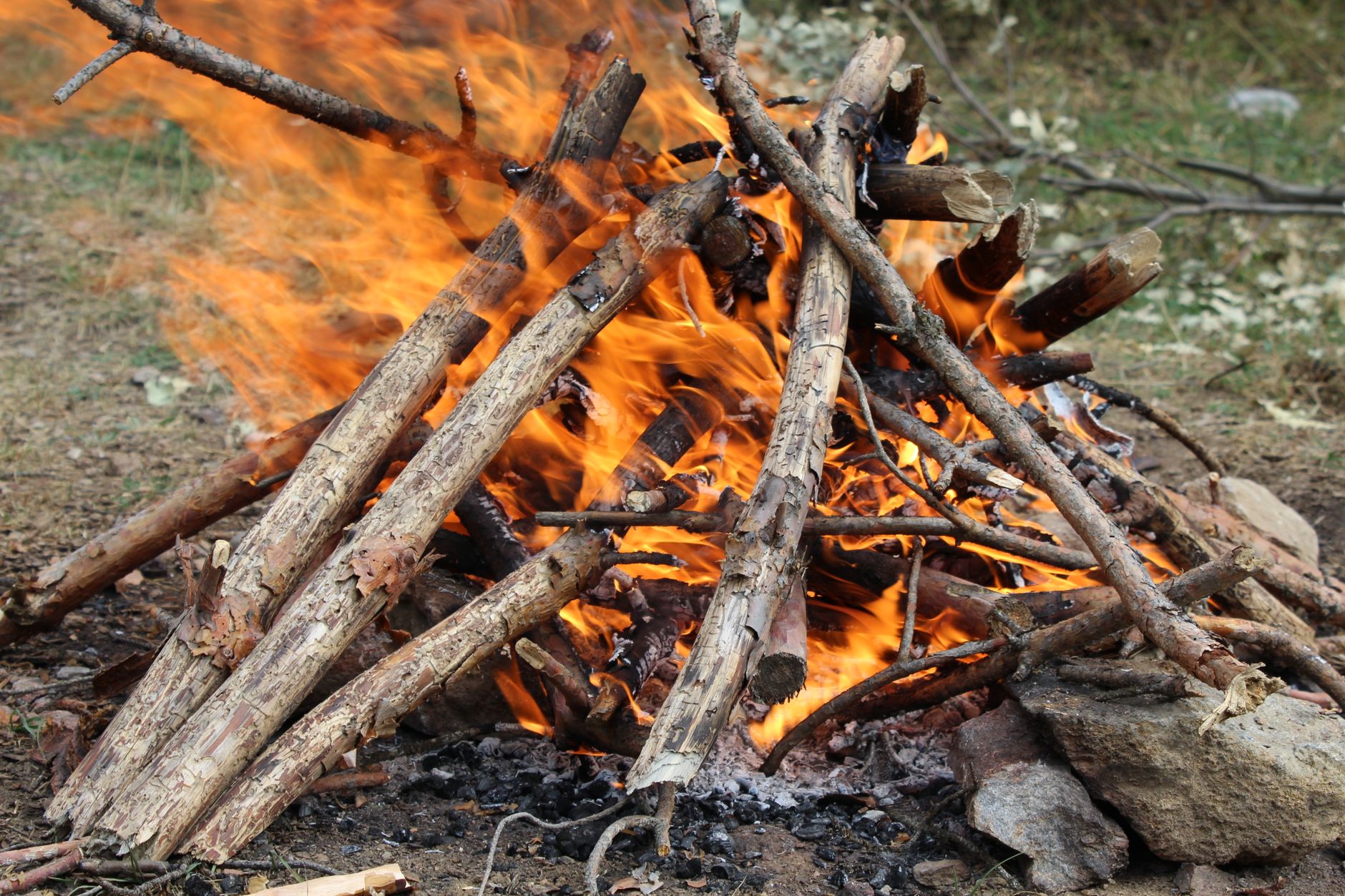
Once your bedding is dry and wind exposure is reduced, retain body heat rather than burning fuel inside your sleeping space. Insulated pads, lofted bedding, a wrapped hot water bottle, and a sheltered pitch are practical off-grid camping heat solutions.
Charcoal grills, camp stoves, candles, propane heaters, and fuel-burning heaters do not belong inside a tent. Carbon monoxide has no smell, and open flames can ignite nylon, sleeping bags, clothing, or nearby fuel.
| Method | Place for use | Cold-night role |
|---|---|---|
| Insulated pad and rated bag | Inside your tent | Primary overnight protection |
| Wrapped hot water bottle | Inside your sleeping bag | Short-term preheat and foot warmth |
| Campfire | Outdoor fire ring | Evening warmth before bed |
| Mr. Heater or camp stove | Open, suitable outdoor space | Never tent heat |
Campfire Safety Ends Before You Sleep
A campfire warms your hands and helps with dinner, but it cannot heat your tent after you crawl inside. Set out your sleeping layers before the fire burns down, then leave overnight warmth to your insulated gear.
Follow Leave No Trace fire practices, keep flames controlled, and drown embers until they feel cool to the touch. Campfire safety also means keeping flames away from nylon, spare fuel, and low-hanging branches.
Rain, exhaustion, or a forecast miss can still leave your system short of warmth. Hypothermia warning signs call for a fast change in plans rather than another hour in wet or inadequate gear.
Cold-Stress Symptoms Require an Exit Plan
A soaked bag or persistent shivering can turn a manageable cold night into a medical emergency. Hypothermia warning signs include shivering that will not stop, fatigue, poor coordination, confusion, slurred speech, and unusual behavior.
Cold stress can look like clumsiness or stubbornness at first. Your group needs a simple rule: confusion ends the outdoor plan.
Children, older adults, exhausted hikers, and anyone in wet clothing can decline faster than a rested, dry adult. A person who fumbles a zipper, speaks slowly, or cannot follow a simple task needs warmth and shelter right away.
- Leave exposure by moving out of wind and rain into a vehicle, building, or sheltered dry space.
- Remove wet fabric and put on dry layers, dry socks, and insulated coverings around the torso.
- Add gentle heat with shared body heat or wrapped warm containers against the chest, armpits, and groin.
- Offer warm calories through nonalcoholic drinks and food while the person is alert and swallowing normally.
- Seek emergency help by calling 911 for worsening confusion, weak shivering, collapse, or trouble staying awake.
Picture a family of four on a rainy 38-degree night: one child starts fumbling a zipper and speaking slowly after dinner. Your response is dry clothing, warm fluids, sheltered warming, and a ride out.
Warmth Comes From Preparation and Dry Insulation
Your body is the heat source you rely on overnight. For it, block cold ground with a high-R-value pad, sleep dry in a conservatively rated bag, limit wind and condensation, and keep fuel-burning heat outside.
A cold night is manageable with suitable gear and a dry shelter. Relentless shivering, soaked insulation, confusion, slurred speech, or poor coordination mean your camp plan has ended.
FAQ
How can I stay warm in a tent without electricity?
You stay warmer through insulation beneath your body, dry sleeping layers, a bag rated below the forecast low, and a tent site shielded from wind. Tent air does not need heating for your body to retain warmth.
How do I insulate a tent from cold ground?
Your insulated sleeping pad does the real work against ground loss. Add a foam pad beneath an inflatable pad on snow, frozen dirt, or cold wood, then keep the tarp fully beneath the tent footprint.
Can propane heaters, candles, or campfires heat a tent safely?
No fuel-burning device belongs inside your tent. Propane heaters, candles, charcoal, stoves, and campfires can create carbon monoxide and fire hazards in a tight fabric shelter.
What should I wear for cold-weather tent sleep?
Wear dry merino wool base layers or dry synthetic layers, loose warm socks, and a hat. Your clothing should stay loose enough to preserve circulation and sleeping-bag loft.
How warm should a sleeping bag be for the overnight low?
Your bag should carry a colder rating than the expected low. A 30-degree forecast calls for more insulation margin than a 30-degree bag gives a tired or cold-sleeping camper.
Do hot water bottles and hand warmers work at camp?
A wrapped hot water bottle warms your bag and feet for a limited period. Hand warmers help inside gloves or pockets, though your pad and bag remain the main overnight insulation.
