

Camping with a CPAP machine turns ordinary packing into careful power planning. Humidification, heated tubing, overnight temperatures, and access to mains power can change battery needs substantially, so I focus on capacity, output, compatibility, recharge options, and the presence of an uninterruptible power supply, or UPS, which transfers connected devices to battery power after an outage. I also account for air-travel limits, physical weight, and the differences between dedicated CPAP packs and general portable power stations.
Your Options, Compared

EASYLONGER CPAP Battery Backup ES960 297.6Wh

OUPES Exodus 350 288Wh 350W Power Station
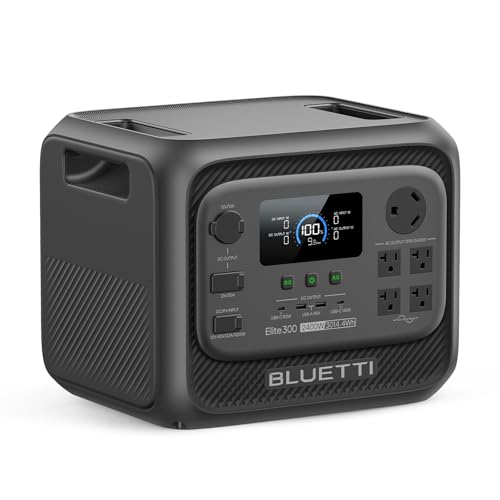
BLUETTI Elite 300 3014.4Wh Power Station

DaranEner 576Wh 600W UPS Power Station

UDPOWER S1200 1200W Pure Sine Wave Power Station

AFERIY 1024Wh Expandable to 5120Wh Power Station

Jackery Explorer 290 290Wh 200W Renewed

DaranEner 600W 576Wh Solar Bundle
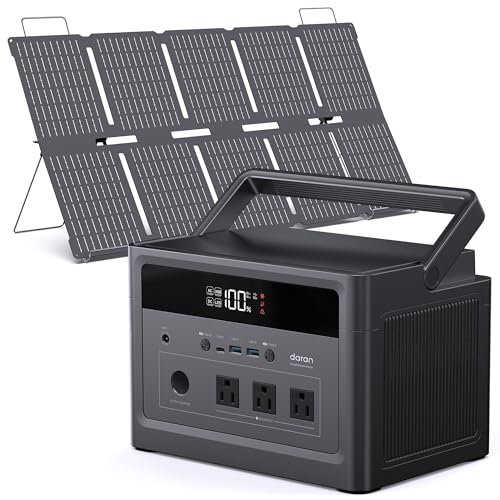
DaranEner 600W 576Wh Solar Power Kit
Inside Each Recommended Option
The ES960 is built around CPAP use rather than phones and lights. Its 297.6Wh lithium iron phosphate battery, abbreviated LiFePO4, can provide more than two nights for compatible setups that leave out the humidifier and heated tube, though actual runtime follows pressure settings and machine consumption.
Four included cables cover several common ResMed and Philips systems, including AirSense, AirCurve, AirMini, DreamStation, and Luna G3 platforms. That specificity gives me more confidence for a multi-night trip than a generic station with uncertain connection requirements.
What Makes Sense
- The dedicated battery reduces setup guesswork at camp.
- High capacity supports more than one night without humidification.
- Broad compatibility covers several popular device families.
- The LiFePO4 chemistry suits repeated charging cycles.
Worth Noting
- Heated tubing is not supported by this setup.
- The 297.6Wh capacity exceeds common airline carry-on limits for lithium batteries.
- Coverage details vary, so the listed support plan deserves close review.
Quick Facts
Made For
It suits CPAP-dependent travelers who know their machine compatibility and can travel without heated tubing.
Where Another Pick Shines
AFERIY 1024Wh Expandable to 5120Wh Power Station offers more general capacity for travelers bringing several powered devices.
At 9.2 pounds, the Exodus 350 favors campers who need CPAP power without hauling a large station. Its 288Wh battery and 350W continuous output should handle a typical CPAP machine comfortably, although humidifier use sharply raises energy demand.
Unlike the EASYLONGER CPAP Battery Backup ES960, this model also serves phones, laptops, and other small electronics. That flexibility makes it a practical center of a compact camp power kit, in my view.
A Few Highlights
- The low weight eases vehicle and tent-side transport.
- AC, solar, and app-based control broaden recharging options.
- A 140W USB-C port supports compatible laptops and phones.
- Quiet operation avoids the fumes and noise associated with combustion power.
Small Caveats
- Capacity is nearly identical to many smaller alternatives, limiting runtime with a humidifier.
- CPAP cable compatibility needs confirmation before the trip.
- Owners still need to store the unit dry and away from extreme heat.
Feature Snapshot
Who It Suits Best
It best serves minimal campers using CPAP without humidification and carrying only a few small devices.
A Better Fit Elsewhere
Jackery Explorer 290 290Wh 200W Renewed is the more portable option for very light travel loads.
The Elite 300 places CPAP power within a much larger energy system. Its 3014.4Wh capacity can run the machine for longer stretches and leave room for communications gear, lighting, refrigeration, and other RV loads, making CPAP runtime a secondary consideration.
The source data describes a compact form for a roughly 3kWh unit, though carrying that mass remains a substantial task. Compared with the 288Wh OUPES Exodus 350, it trades portability for a much deeper reserve.
The Upside
- Large capacity reduces pressure to recharge between nights.
- RV living gains room for several simultaneous devices.
- The space-conscious enclosure may ease fixed-space installation.
- Home-outage planning benefits from substantial stored energy.
Practical Considerations
- The battery is excessive for a CPAP-only weekend.
- Vehicle loading and secure storage need advance planning.
- Protection-plan terms vary and should be checked before travel.
Core Details
Best Suited To
It suits RV households, van campers, and families preparing for substantial home outages.
Consider Something Else When
OUPES Exodus 350 288Wh 350W Power Station is easier to carry for a CPAP-only camping trip.
With 576Wh of storage and 600W continuous output, this DaranEner model gives CPAP use more room than compact 288Wh stations. The built-in UPS can take over during campground or home outages, adding continuity beyond a simple camping reserve.
I like its balance for a couple carrying laptops, a small cooler, and CPAP equipment. The trade-off is less suitability for air travel and a likely heavier load than the OUPES Exodus 350.
Notable Upsides
- Doubled capacity supports CPAP use with additional electronics.
- 600W output accommodates higher-draw camping equipment.
- UPS transfer benefits connected devices during outages.
- Multiple recharge paths support flexible campground use.
Trade Offs
- Higher capacity is unnecessary for minimal CPAP trips.
- Humidifier demand still requires a realistic energy budget.
- Periodic charge checks become important during extended storage.
The Right Fit
It fits RV campers who want meaningful CPAP reserve without moving into a 3kWh system.
Not Your Match When
EASYLONGER CPAP Battery Backup ES960 297.6Wh is more focused on multi-night machine use and simpler transport.
CPAP machines rarely need 1200W, yet the S1200 serves mixed-load camps where refrigerators, cooking equipment, and electronics share one power system. Pure sine wave output, a form of AC output designed to resemble grid power more closely, suits sensitive electronics.
The UPS switches in under 0.01 seconds according to the source, which is a meaningful continuity feature. Compared with the BLUETTI Elite 300, this model offers more immediate wattage, while the BLUETTI provides substantially more stored energy.
What Earns Its Place
- 1200W continuous output handles demanding camp appliances.
- 1800W surge capacity provides brief startup headroom.
- Up to 400W solar input accelerates field recharging.
- Fast UPS transfer helps connected electronics avoid abrupt shutdowns.
Details To Watch
- Output strength does not translate into extra battery capacity.
- The unit is oversized for CPAP-only travel.
- Vents and ports need careful protection during dusty travel.
Key Product Details
Who Will Love This
It suits powered campgrounds, families, and RV travelers running several higher-draw devices.
Skip It When
Jackery Explorer 290 290Wh 200W Renewed is easier to manage for a single low-draw CPAP setup.
The AFERIY starts with 1024Wh, already more substantial than the smaller camping options in this roundup. Additional battery units can raise total storage to 5120Wh, letting campers expand as their RV, outage, or solar needs grow.
A UPS transfer below 10 milliseconds helps maintain connected equipment during a power loss. I’d favor this adaptable route for frequent campers, although a fixed 3kWh system may be simpler for people who already know their full load.
The Helpful Details
- The base capacity handles CPAP with room for other devices.
- Expandability avoids replacing the entire station later.
- Fast UPS transfer supports brief campground outages.
- Higher ceiling suits RV and off-grid power growth.
Possible Compromises
- Expansion batteries add cost, weight, and storage requirements.
- Maximum capacity is reached only after adding compatible units.
- Owners still need ventilation and moisture protection.
Built With In Mind
It fits RV households expecting their power demands to grow over several seasons.
Another Choice May Suit
BLUETTI Elite 300 3014.4Wh Power Station suits travelers wanting high storage without an expansion stage.
The Explorer 290 remains a straightforward option for CPAP travel with the humidifier switched off. Its 290Wh battery and 200W continuous output cover a typical low-draw machine, and the pure sine wave AC outlet produces stable power for sensitive electronics.
Two USB ports, a 12V vehicle socket, and an LCD status display make it useful beyond the machine. This renewed listing needs more scrutiny around condition and included accessories, which I would confirm carefully before relying on it.
Practical Pluses
- The compact handle simplifies one-person carrying.
- Pure sine wave AC suits modern CPAP electronics.
- USB and 12V outputs reduce the need for extra adapters.
- Wall, vehicle, and solar recharge paths support varied trips.
Where It May Fall Short
- No solar panel is included.
- Humidifier use can consume the small reserve quickly.
- Renewed-condition details can affect the appearance and expected battery life.
Who Should Grab It
It fits light-pack travelers using CPAP without humidification and carrying few other devices.
Look Elsewhere When
DaranEner 576Wh 600W UPS Power Station is the better choice for longer runs with multiple devices.
Pairing a 576Wh station with a 100W foldable solar panel makes this DaranEner appealing for remote camps. The 600W continuous output handles a CPAP machine with additional headroom for laptops, a small cooler, or lighting.
A built-in UPS adds value at campgrounds subject to outages. Compared with the similarly sized DaranEner 576Wh 600W UPS Power Station, the key difference here is the included foldable panel, reducing one extra accessory purchase.
Where It Helps
- The included panel supports renewable campsite recharging.
- 576Wh offers practical CPAP runtime with device headroom.
- The foldable panel saves setup space.
- UPS support helps during unexpected power loss.
Things That May Matter
- The station and panel take more vehicle space than a compact battery.
- Solar charging varies with sunlight, angle, and weather.
- The humidifier can shorten runtime considerably.
Technical Highlights
Whose Shelf It Belongs On
It suits campers who want a battery and portable solar panel prepared as one system.
Reach For A Different Pick When
OUPES Exodus 350 288Wh 350W Power Station is easier to carry for minimal camping loads.
This kit turns a 576Wh, 600W station into a broader camp power center. It includes a 100W foldable solar panel and charging cable, giving the owner a clearer path away from campground electricity.
Three AC outlets reduce adapter competition, while USB-C Power Delivery supports compatible phones and smaller electronics. The 1200W peak rating gives flexible startup power, though the continuous ceiling remains more relevant to CPAP runtime.
Standout Benefits
- The solar kit reduces initial accessory gathering.
- Three AC outlets support a multi-device campsite.
- USB-C Power Delivery is convenient for smaller electronics.
- AC, vehicle, and solar inputs provide flexible recharging.
Minor Gripes
- Multiple outlets and the panel require organized packing.
- Solar input remains weather-dependent.
- Users with only a CPAP machine may carry excess capability.
The Ideal Setup
It fits RV and family camps where CPAP shares a power budget with several smaller devices.
Swap It Out When
Jackery Explorer 290 290Wh 200W Renewed offers a simpler choice for lightweight, CPAP-only travel.
Matching Battery Capacity to Your Camp Setup
Establish the CPAP Energy Load
A CPAP machine’s pressure, humidifier, heated tube, mask type, and altitude settings all influence consumption. Dedicated units usually create the most predictable camping setup, while a general station demands more careful cable and output planning.
Separate Capacity From Output
Capacity is stored energy, measured in watt-hours. Output is instantaneous power, measured in watts. A station may have ample wattage for a CPAP yet still run out quickly, or store plenty of energy beyond what the machine requires.
Account for Humidification and Heat
Heated humidification changes a modest camping load into a much more demanding one. Cold weather can also reduce battery performance, so a margin above calculated needs is sensible for exposed camps and multi-night trips.
Check Transport and Connection Limits
Airline carry-on rules can restrict large lithium batteries. A dedicated multi-night pack may exceed cabin allowances, while camping within driving distance offers far more transport flexibility. Confirm the CPAP model, power supply, cable, and supported features before departure.
Practical Details That Shape the Choice
Mistakes Worth Dodging
The most common mistake is sizing from the CPAP display rather than total battery consumption. Another is overlooking humidification, heated tubing, or airline limits. I would also confirm cable compatibility, solar-panel inclusion, UPS behavior, and storage expectations before packing.
What The Higher Tier Buys
Larger stations add stored energy, stronger output, more outlets, and sometimes faster UPS transfer. That extra capability matters for RV travel, extended outages, and mixed device loads. A smaller dedicated pack remains easier to carry for simple overnight trips.
Frequently Asked Questions
How long should a CPAP battery last?
Runtime depends on battery capacity, pressure settings, humidification, heated tubing, and the CPAP model. A compact station may suit machine-only use, while humidified setups benefit from a much larger reserve.
Can I use heated tubing with a portable power station?
Some units exclude heated tubing or dedicated heated-tube power. Check the compatibility list closely, and choose a station that supports the required heater and CPAP power supply.
Is UPS useful during camping?
A UPS transfers connected equipment to battery power after grid electricity stops. It is particularly useful at campgrounds with unreliable service or during a home outage.
Can I take a large power station on a plane?
Airline lithium-battery limits vary by carrier and travel mode. Stations above common cabin allowances may need ground transport, so travelers must verify the exact rule before flying.
Should I choose a dedicated CPAP battery?
Dedicated packs usually simplify cable selection and multi-night planning. General power stations are more flexible for phones, laptops, lighting, and other camp equipment, but demand more setup attention.
Final Thoughts
For a compact trip without humidification, the EASYLONGER ES960 and Jackery Explorer 290 prioritize portability. Larger camps with mixed devices favor the 576Wh DaranEner models, while AFERIY and BLUETTI suit users planning extended RV or outage power. I would match the station to the entire camp load, not just the CPAP machine.
