

A four-person tent sits between backpacking shelter and full-size cabin, making capacity claims deceptively slippery. I focus on usable floor space, setup method, ventilation, weather specifications, and packed size rather than accepting the largest printed number at face value. That approach matters for couples with gear, families sharing a vehicle, festival campers, and beginners who prefer a tent that opens without a maze of poles.
The SAeWare Moisture-Proof Mat 4 Man is my balanced pick for campers balancing a porch, quick pitching, and moderate-weather protection. I also separate purpose-built cabin designs from compact dome and tepee shelters, since “four person” may mean four sleeping spaces with little gear or a genuinely comfortable room for four adults.
The Picks In Brief

SAeWare Moisture-Proof Mat 4 Man Tent
CORE Instant Cabin Family Tent
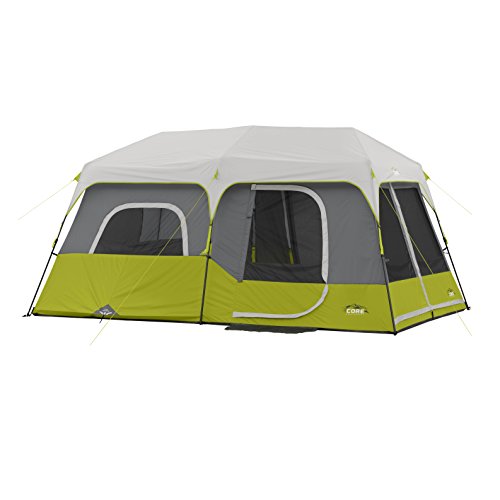
Core 9 Person Instant Cabin Tent 40008

Naturehike Village Instant Cabin Tent

3/4 Person Pop Up Camping Tent

RENJJPBO Automatic Double-Layer Dome Tent

CORE 4 Person Instant Camping Set

SAeWare Four-Man Pop-Up Tepee Tent

MZGYYD Four-Man Family Garden Tent
The Strengths Of Each Pick
The porch and included mat give this SAeWare model more practical structure than a basic dome. That suits family drives, festival weekends, and backyard nights where boots should stay outside the sleeping area. Compared with the MZGYYD Four-Man Family Garden Tent, it presents a more conventional outdoor shelter rather than a mesh-centered summer base.
Its water-repellent fabric carries a stated hydrostatic head of 5,000 mm, a measurement of pressure under which the fabric begins resisting water penetration. That supports moderate rain, although stake placement and seam coverage still matter. Ventilation openings and a straightforward assembly process make it a sensible option for campers new to shelters.
The Upside
- The porch creates a useful covered transition space.
- 5,000 mm fabric targets moderate rain exposure.
- Ventilation openings support airflow during warm nights.
- Assembly and breakdown require fewer separate pieces than a conventional pole tent.
Details To Watch
- The mat should be cleaned and dried before storage to prevent trapped moisture.
- The four-person rating may feel snug once four adults and substantial gear occupy the floor.
Quick Facts
Made For
I favor this model for families who want a porch, quick setup, and moderate-weather fabric without moving to a much larger cabin.
A Better Fit Elsewhere
The Naturehike Village Instant Cabin Tent fits groups prioritizing a full rainfly and a more cabin-oriented layout.
The instant-cabin format removes much of the sorting and assembly associated with loose-pole tents. That convenience is valuable after a long drive, particularly for beginners or families pitching in fading daylight. It shares the broad cabin concept of the Core 9 Person Instant Cabin Tent 40008, but the available information does not support a direct capacity or weather specification comparison.
Storage pockets help keep smaller camping accessories organized rather than scattered across the floor. I see this as a sensible touch for keys, flashlights, and personal items, although those are not substitute storage for wet footwear or large packs. The layout appears better aligned with car camping than with a walking expedition.
Practical Advantages
- The instant structure reduces setup decisions.
- Cabin walls create a more upright living area than a low dome.
- Integrated pockets organize small accessories.
- The format suits drive-in campsites and quick overnights.
Honest Caveats
- No verified fabric, dimensions, or water-resistance figures were provided.
- A broader floor and packed weight matter for car-only camping.
- Owners commonly fold the cabin loosely, so following the storage steps prevents frame stress.
Right Fit For
This CORE model suits beginners and families who prioritize simple opening and upright space over compact backpacking.
Reach For A Different Pick When
The Core 9 Person Instant Cabin Tent 40008 serves larger groups needing a clearly documented 14-by-9-foot floor.
The 14-by-9-foot floor and 78-inch center height turn this CORE model into a genuine group shelter rather than a compact four-person cabin. The listed layout fits two queen air beds or four people with gear, while the nine-person figure applies to a much less equipment-heavy arrangement. That distinction makes it useful for reunions, reuniting families, and car campers sharing one base tent.
Pre-attached poles lock into the frame without conventional threading, reducing assembly time. The polyester fabric has a stated 1,200 mm water resistance, accompanied by a taped rainfly and sealed seams. Compared with the SAeWare Moisture-Proof Mat 4 Man Tent, CORE uses less pressure-rated fabric but provides a substantially larger footprint.
Where It Excels
- The generous floor leaves room for communal gear and air beds.
- The 78-inch center supports easier standing movement.
- Pre-attached poles simplify the opening process.
- Taped roof seams and a full rainfly add weather protection.
- Zipped windows close off the mesh openings in cooler or wetter conditions.
Space Savings Matter
- The 14-by-9-foot floor is unlikely to fit a small campsite comfortably.
- Its bulk reduces packability for backpacking.
Key Specs
Built With In Mind
I recommend model 40008 for large families and groups whose vehicle, campsite, and gear allowance can support a broad cabin.
Swap It Out When
The SAeWare Moisture-Proof Mat 4 Man Tent is the more manageable choice for couples or families prioritizing a porch and higher fabric rating.
Naturehike combines a fast-opening frame with a full rainfly and cabin-style floor area. That makes it a serious car-camping option, especially for families who want weather protection without threading a web of conventional poles. The listed four-person and eight-person versions indicate a broader range than the single-capacity small tents elsewhere in this roundup.
The fabric uses 150-denier construction with a polyurethane coating rated at 2,000 mm water resistance. Denier is a fabric-weight measure, while millimeters of water resistance indicate hydrostatic pressure. The included solar-control figure is UPF 12500+, a rating for ultraviolet protection. Depending on climate, that combination favors strong sun and ordinary rain protection.
What Earns Its Place
- The automatic frame reduces assembly time.
- A full rainfly covers the sleeping area.
- The 150-denier fabric balances portability and durability.
- Multiple capacity versions suit different campsite sizes.
Practical Considerations
- The larger eight-person version may be difficult to transport in a compact vehicle.
- Rain performance depends on pitching, securing, and checking the rainfly.
- The source lists a color variant only in an unavailable-image field, so color selection needs checking on the listing.
Technical Highlights
Who Will Love This
This Naturehike Village model suits car campers needing fast setup, a full rainfly, and substantial sun protection.
Where A Sibling Pick Shines
The SAeWare Four-Man Pop-Up Tepee Tent serves warm-weather campers who prioritize dense mesh and easier bug exclusion.
This three-to-four-person shelter is aimed at beaches, festivals, backpacking, and lightweight overnight trips. Its pop-up format suits campers who would rather unfold a compact shelter than assemble separate poles. Compared with the CORE Instant Cabin Family Tent, it appears more portable, though the available information does not support firm conclusions about packed weight or interior dimensions.
The beach-oriented function changes the usual priorities: ventilation and sun shelter may matter more than a tall cabin ceiling. The listing identifies waterproof construction and advanced ventilation, yet provides no numerical weather rating, seam details, or floor dimensions. For frequent damp campers, that missing detail deserves attention before commitment.
The Value In It
- The compact pop-up format suits mobile camping.
- The beach-shelter role supports daytime shade use.
- Ventilation is a central design consideration.
Points To Note
- No verified capacity dimensions or packed weight were provided.
- The four-person label may offer limited room for adults carrying full hiking packs.
- Owners commonly check every seam after repeated folding, as compact tents can retain water in creases.
Travel Ready
I favor this model for festival campers, beach sleepers, and hikers who value portability over a roomy cabin interior.
Consider Something Else
The RENJJPBO Automatic Double-Layer Dome Tent offers a more structured alternative for campers seeking both an inner layer and rain shelter.
The RENJJPBO model uses a hydraulic pop-up mechanism, meaning stored frame energy drives much of the opening rather than a manual assembly sequence. That makes it approachable for first-time campers and useful during a dark or rainy arrival. The dome shape also handles the compact brief more directly than the upright profiles of the CORE cabin tents.
A double-layer design can switch between a roomier family-camp arrangement and a sun-protection configuration. Drawstrings and stakes are included for securing the shelter and reducing movement. The three-to-four-person format should be treated as a tight camp for adults with packs, while couples with moderate gear may gain more practical room.
Noteworthy Benefits
- The hydraulic frame opens automatically.
- Two layers support different camping and sun-shelter arrangements.
- Stakes and drawstrings help anchor the tent.
- The dome profile suits hiking and backpacking trips.
- The beginner-oriented opening reduces setup friction.
Possible Compromises
- No dimensions, packed weight, or waterproof rating were supplied.
- Automatic frames require care during folding to avoid pinching the mechanism.
- Four occupants with large packs may find the interior compressed.
Core Details
Best Suited To
This RENJJPBO dome serves beginners, hikers, and couples who favor a compact automatic shelter.
Look Elsewhere When
The Core 9 Person Instant Cabin Tent 40008 better serves groups needing a documented 14-by-9-foot interior.
This set combines an instant cabin tent, outdoor table, and two padded quad chairs in one coordinated package. It reduces the need to source separate furniture before a first camping trip, which makes the package practical for new families. The single carry bag also simplifies storage between outings, although the tent and furniture may create a bulky load.
The shelter measures 8 by 7 feet with a 54-inch center height and accommodates one queen air bed. Pre-attached poles lock into place in the advertised quick-opening format. Compared with the Core 9 Person Instant Cabin Tent 40008, this set prioritizes bundled equipment and compact family camping over expansive floor space.
Standout Benefits
- The table and two chairs create a ready-to-use camp area.
- Pre-attached poles reduce assembly steps.
- One carry bag keeps the components together.
- The 8-by-7-foot floor suits a queen air bed.
Some Limits To Know
- Four people may find the floor cramped once gear is included.
- The 54-inch center is lower than the 78-inch Core 40008.
- The bundled equipment leaves less room in a vehicle than a tent-only purchase.
Who Should Grab It
I recommend this set for new campers assembling a compact family base with furniture.
Skip It When
CORE Instant Cabin Family Tent fits campers who need the tent itself without bundled chairs and table.
Dense mosquito mesh dominates the SAeWare Four-Man Pop-Up Tepee Tent, making it more of a ventilated summer shelter than a sealed winter cabin. That approach works well in a backyard, at a warm-weather campsite, or during festivals where insects are the main nuisance. The tepee form also opens rapidly and offers more conventional standing space than a low dome.
Multiple mesh doors and panels encourage airflow while acting as a physical barrier against mosquitoes. Integrated seams and waterproof material add weather protection, but no numerical rating is provided. Compared with the SAeWare Moisture-Proof Mat 4 Man Tent, this model trades the porch and higher documented fabric rating for denser mesh and faster opening.
Points In Its Favor
- Dense mesh improves bug exclusion.
- Multiple doors support convenient access.
- The pop-up frame opens in seconds.
- Ventilation suits warm and humid conditions.
- The shelter also works as a backyard play tent.
Less-Strong Areas
- Mesh-heavy construction offers less insulation than solid fabric.
- No measured water resistance or packed weight was listed.
- Frequent owners report checking mesh edges and seams after repeated folding.
Built With In Mind
This SAeWare tepee suits warm-weather families, festival campers, and households needing a ventilated backyard shelter.
Another Choice May Suit
The Naturehike Village Instant Cabin Tent better serves campers who need denser fabric, a full rainfly, and higher solar protection.
The MZGYYD Four-Man Family Garden Tent targets open-air stays, backyard camping, and nights where airflow matters more than a fabric-heavy weather shell. Its three-second opening and lightweight construction reduce the effort involved in repeated setup. That makes it especially convenient for families moving between a garden shelter and a campsite.
Ventilation supports open-air sleeping and stargazing while still providing a barrier against dust and insects. Integrated seams and waterproof material are listed for wet conditions, while the flexible construction is described as wind resistant. Exact waterproofness, packed weight, and dimensions are missing, so I would not assume it matches the more precisely documented CORE models.
Well-Handled Touches
- Three-second opening supports frequent use.
- The lightweight body is easy to carry.
- Ventilation works well for garden and festival stays.
Trade Offs
- Open ventilation provides less protection from cold and persistent rain.
- No numerical waterproof rating or packed weight was supplied.
- Loose soil and long grass make careful staking important for stability.
Feature Snapshot
The Right Fit
This MZGYYD model fits families needing a fast, ventilated garden tent for warm-weather sleepovers.
Not Your Match When
The Core 9 Person Instant Cabin Tent 40008 fits colder or wetter trips requiring taped seams, a full rainfly, and more space.
What Matters Before Choosing A Four-Person Shelter
Capacity needs a reality check
I treat a four-person label as a starting point rather than a comfort promise. Sleeping pads, backpacks, wet boots, and a shared central area can consume substantial floor space. Families should check dimensions, while couples may gain useful breathing room from a smaller shelter.
Setup method shapes campsite use
Instant frames, hydraulic domes, and pop-up tepees remove much of the assembly burden. A traditional cabin with a larger footprint may reward families who prioritize standing room, but it also consumes more vehicle and campsite space.
Weather ratings need context
A water-resistance figure measures pressure against the fabric, not the entire shelter. Seams, rainfly coverage, windows, and stake tension determine how those numbers translate into real weather protection. Higher figures suit exposed sites, although no rating makes a tent maintenance-free.
Ventilation depends on climate
Dense mesh works well for insects and warm nights but offers less insulation. Fabric-heavy cabins retain more warmth, yet they require more attention to condensation and airflow. Climate and expected temperatures matter more than a simple seasonal label.
Common Sense Before The First Pitch
Mistakes Worth Dodging
I would avoid choosing by capacity number alone or ignoring the packed dimensions before loading a vehicle. A nominal four-person tent can feel tight once gear is placed inside, and loose poles create avoidable setup work. Checking floor dimensions, center height, weather details, and included components prevents most disappointment.
What The Higher Tier Buys
A higher-tier shelter may provide a larger footprint, stronger frame, sealed seams, or a fuller rainfly. Those additions matter for frequent trips, wet climates, and groups carrying equipment. A compact basic model remains more sensible for occasional warm-weather use or limited storage.
Frequently Asked Questions
Is a four-person tent comfortable for four adults?
It depends on dimensions and gear. Compact models suit couples better, while broad cabins accommodate four adults with more space.
Are instant tents suitable for beginners?
Most are designed for simpler setup. Practice matters, but pre-attached or automatic frames reduce the number of assembly decisions.
Which tent works best for heavy rain?
A full rainfly, taped seams, sealed windows, and a high fabric rating offer the strongest starting point. Correct pitching remains essential.
Are pop-up tents easy to carry?
Many are lighter than cabin designs, though size and weight vary. I check packed measurements before committing to a backpacking trip.
What size tent fits four with gear?
A four-person model may work for couples with compact gear. Families usually benefit from a larger floor or a shelter with divided space.
Final Verdict
I find the SAeWare Moisture-Proof Mat 4 Man Tent the most balanced choice for ordinary family camping, while the Core 40008 stands apart for large groups. The Naturehike Village model adds the strongest documented combination of sun protection, rainfly coverage, and automatic cabin setup. Whichever route I take, the floor dimensions and expected weather matter more than the largest capacity number.
