
A compact two-person tent matters most when backpacking weight, campsite setup, and protection from the elements are the real constraints. I consider those trade-offs for solo campers, couples, and small families, from ultralight backpacking models to instant cabin designs. A sleeping pad adds useful context for anyone building a complete camp setup, while the largest tents serve people who value room and quick setup more than packed weight.
A Closer Look At The Lineup

MC TOMOUNT Backpacking Tent

OneTigris Stella Camping Tent

Clostnature Lightweight Backpacking Tent
Core 9 Person Instant Cabin Tent
Teton Sports Mountain Ultra Tent
Naturehike Cloud-Up 2 Person Tent

Pretyw Ultralight Camping Sleeping Pad

CORE 4 Person Instant Cabin Camping Set
The Picks, Examined More Closely
For a solo hiker carrying a small pack, the MC TOMOUNT Backpacking Tent puts simplicity ahead of interior space. Its nylon shell and aluminum-pole frame create a straightforward shelter that should appeal to campers who want little fuss at pitch time. One person may find the arrangement more suitable than a couple carrying substantial gear, depending on the trip.
Features That Help
- Nylon construction supports a low-weight profile.
- Two crossed aluminum poles simplify the frame.
- Compact shape suits short backpacking routes.
- Single-person use is straightforward.
Small Caveats
- Limited room may make shared gear storage awkward.
- Lightweight fabric can be more vulnerable to rough handling than heavier shelter fabric.
Made For
Solo backpackers and first-time campers who prioritize low packed weight and uncomplicated setup.
Where Another Pick Suits Better
Naturehike Cloud-Up 2 Person Tent offers more weather-specific fabric detail for couples who carry shared gear.
Car campers benefit from the CORE Instant Cabin Tents approach because the attached frame removes much of the assembly work. Storage pockets also give small accessories a place to stay instead of scattering around the cabin floor. For couples or families arriving after a long drive, that convenience can matter more than a very low packed weight.
The Value In It
- Pop-up construction reduces setup steps.
- Multi-room layout helps separate sleeping and gear areas.
- Storage pockets keep camp accessories organized.
- Cabin form suits vehicle-based camping.
Practical Considerations
- Cabin-style volume is less suitable for long backpacking routes.
- Anyone arriving late may still need time to stake and secure the shelter.
- Room configuration matters for people carrying bulky equipment.
Right Fit For
Couples and small families using a car as a base camp and prioritizing quick setup.
Another Choice May Suit
OneTigris Stella Camping Tent serves hikers who need a much smaller packable footprint.
Moving from an instant cabin to a trail shelter, the OneTigris Stella Camping Tent feels aimed at hikers who carry weight over long distances. Its 20D nylon exterior uses a silicone coating, while the stated 3,000 mm waterproof rating gives campers a useful reference for wet-weather planning. The listed packed weight of 4.8 pounds still places it in a practical backpacking class rather than an ultralight one.
The Practical Payoff
- 20D nylon balances fabric weight and structure.
- Silicone coating supports weather resistance.
- 3,000 mm rating helps guide storm preparation.
- Backpacking weight suits multi-day routes.
Worth Bearing In Mind
- 4.8-pound weight is less attractive for speed hikers.
- Water resistance still depends on pitching, sealing, and campsite care.
Key Attributes
Best Suited To
Hikers, backpackers, and bushcrafters who value weather-conscious fabric over minimum pack weight.
Reach For A Different Pick When
Teton Sports Mountain Ultra Tent may appeal more to campers who prioritize ventilation and open views.
The Clostnature Lightweight Backpacking Tent stands out for its range of listed capacities, from solo use through larger shelter arrangements. Polyester fabric appears across the rainfly, groundsheet, and bathtub-style floor, with a stated PU 5,000 coating and sealed seams. That specification matters for campers who regularly face damp ground, although actual dryness still depends on careful setup.
Real Benefits
- Multiple capacity choices fit different trip plans.
- PU 5,000 coating emphasizes wet-ground protection.
- Sealed seams support more consistent shelter coverage.
- Lightweight design suits backpacking routes.
Trade Offs To Consider
- Capacity labels may not match comfort with two adults and gear.
- Polyester can require careful drying after wet use.
- Small tents are especially sensitive to ground moisture.
- Staking and seam inspection help extend fabric life.
Who Will Love This
Backpackers and families comparing several shelter sizes without committing to one fixed capacity.
Where A Sibling Pick Shines
Naturehike Cloud-Up 2 Person Tent provides a more specific two-person package with an included footprint.
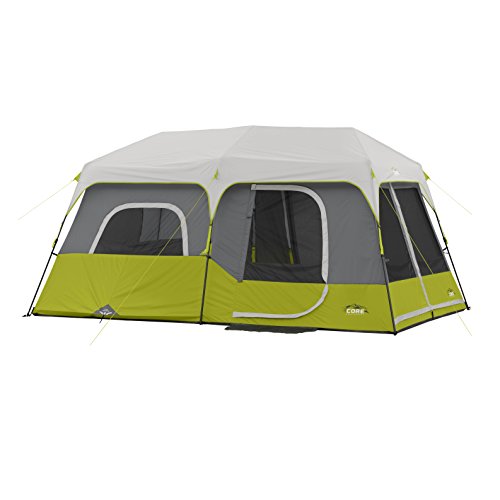
The Core 9 Person Instant Cabin Tent is built around space rather than trail efficiency. At 14 by 9 feet with a 78-inch center height, it creates a standing-room area that feels more like a temporary room than a backpacking shelter. Pre-attached poles and a pop-up frame suit families who want to unpack, extend the structure, and get the campsite organized quickly.
Strong Points
- Large footprint supports group camping.
- Center height allows easier movement inside.
- Pre-attached poles simplify setup.
- Taped rainfly and sealed seams support weather protection.
- Zipped windows preserve enclosed living space.
Where It May Fall Short
- Its size and weight are impractical for ordinary backpacking.
- Nine people may find the interior less comfortable without gear.
Technical Highlights
Built With In Mind
Large families and group campers who trade portability for a roomy, quickly assembled car-camping base.
Consider Something Else When
CORE Instant Cabin Tents suit couples who want a smaller multi-room layout and less bulky transport.
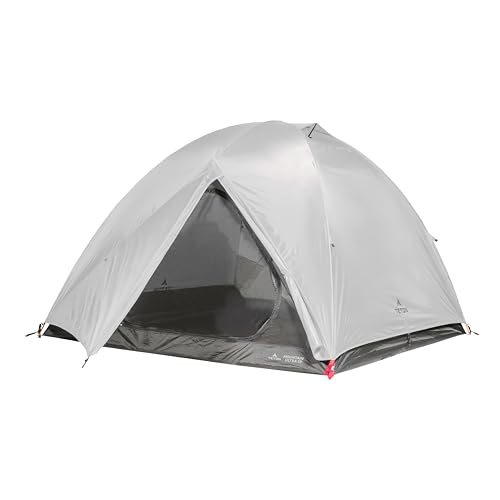
The Teton Sports Mountain Ultra Tent favors airflow and visibility over a sealed interior. A full dome mesh top keeps the sky visible, which can be pleasant during warm nights at a clear campsite. The waterproof rainfly and stated 360-degree ventilation system make this a considered option for hikers who spend time in mild, open-air conditions.
Useful Touches
- Mesh top supports nighttime sky viewing.
- Ventilation design encourages airflow.
- Rainfly adds a separate weather layer.
- Lightweight packing suits hiking trips.
Possible Compromises
- Large mesh openings can reduce sheltered warmth and privacy.
- Rainfly care is important after wet campsites.
- Capacity choices vary, so shared gear space needs checking.
Made For
Hikers and campers who value airflow, stargazing, and a lighter trail shelter over full enclosure.
A Better Fit Elsewhere
OneTigris Stella Camping Tent may suit backpackers who prioritize a more weather-oriented nylon shell.
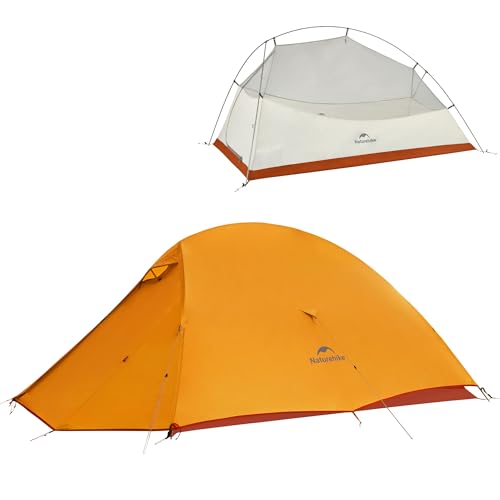
For couples sharing a compact backpack, the Naturehike Cloud-Up 2 Person Tent offers a clear combination of low-weight fabric and an included footprint. A footprint is a separate groundsheet that adds separation from wet soil and helps protect the tent floor. The freestanding design and 7001 aluminum poles also make pitching feel less dependent on a particular stake layout.
Where It Excels
- 20D nylon keeps material weight low.
- 4,000 mm PU coating supports rain protection.
- Included footprint adds ground separation.
- Freestanding frame eases campsite placement.
- Breathable mesh helps manage interior condensation.
Details To Watch
- The footprint adds another item to pack and clean.
- Two-person comfort depends on gear placement and campsite spacing.
Core Details
The Right Fit
Couples and hikers who want a two-person freestanding shelter with an included groundsheet.
Swap It Out When
MC TOMOUNT Backpacking Tent may be a simpler fit for a solo camper who does not need a two-person footprint.
The Pretyw Ultralight Camping Sleeping Pad is not a tent, but it completes the sleeping side of a compact two-person camping setup. Its built-in foot pump removes the need to carry a separate inflation tool, while the attached pillow reduces another small item in the pack. For a couple sharing a shelter, two pads still need to fit inside the chosen floor plan.
Reasons It Performs
- Built-in foot pump simplifies inflation.
- Pillow adds a familiar sleeping contact point.
- Four-inch thickness provides more cushioning than a thin mat.
- Compact dimensions suit backpacking gear lists.
Smaller Details
- Self-inflating pads need time to expand after opening.
- Ground dampness can affect comfort without a separate groundsheet.
Who It Suits Best
Backpackers and couples who want a portable sleeping surface with fewer accessories.
Another Option May Suit
Naturehike Cloud-Up 2 Person Tent is the better fit for a complete two-person shelter system, while this pad handles sleeping comfort.
The CORE 4 Person Instant Cabin Camping Set targets a practical first car-camp setup, with the tent, table, and two chairs bundled together. An 8-by-7-foot floor and 54-inch center height create space for a queen air bed, although the stated capacity is more about usable layout than luxurious personal room. The included carry bag helps keep the pieces together between trips.
Everyday Wins
- Pop-up poles support fast campsite setup.
- Table and two chairs reduce initial packing.
- Single carry bag simplifies storage.
- Cabin dimensions suit a compact family campsite.
Things To Consider
- Four people may need to organize gear carefully.
- Fabric and furniture require dry storage after wet weather.
- The set is less suitable for backpacking than a tent-only choice.
Who It Suits Best
Families starting with a coordinated car-camping kit and wanting the table and chairs already accounted for.
Where A Sibling Pick Shines
Core 9 Person Instant Cabin Tent offers more interior space for a larger group, without the bundled furniture.
What Matters Most Before Choosing 2 Person Camping Tents
Packed Weight And Floor Space
A backpacking tent must balance shelter weight against usable floor area. Two people carrying pads, clothing, and cooking equipment need more room than a solo camper, so the listed capacity should be treated as a starting point rather than a comfort guarantee.
Weather Protection
A waterproof rating measures fabric resistance to water, but seams, groundsheets, stakes, and pitching technique all affect the finished shelter. Nylon and polyester differ in weight and handling, while coated fabric may need extra attention after wet campsites.
Setup And Ventilation
Freestanding frames and pre-attached poles reduce assembly time, which matters after dark or in bad weather. Mesh panels improve airflow, while larger cabins stay cooler for families and campers who spend several hours inside.
Key Considerations Across These Picks
Common Shopping Slip Ups
Choosing by the printed capacity alone can leave too little space for shared gear. I would check packed dimensions, doorway width, and whether the tent is intended for backpacking or car camping before committing.
What The Higher Tier Buys
Higher-end trail shelters may add lighter materials, stronger poles, better seam construction, or an included footprint. Those upgrades matter most on longer routes and damp ground, while a simple instant cabin makes more sense for a nearby campsite.
Frequently Asked Questions
Are two-person camping tents comfortable for two adults?
Comfort depends on floor dimensions, sleeping pads, and gear storage. A tight two-person shelter can suit minimalists, while couples carrying larger equipment may prefer extra room.
What waterproof rating should I look for?
A higher rating indicates stronger stated resistance to water, but correct pitching and ground protection still matter. Compare the fabric, seams, rainfly, and floor together.
Is a freestanding tent easier to pitch?
Usually, yes. A freestanding frame does not require a full set of stakes to hold its shape, although perimeter stakes and guylines may still improve stability.
Do instant cabin tents work for backpacking?
Instant cabins usually trade packed weight for room and quick setup. Backpackers gain more from compact nylon or polyester shelters such as the OneTigris Stella or Naturehike Cloud-Up.
What should a two-person camping kit include?
A tent, sleeping pads, sleeping bags, lighting, water storage, and a cooking setup cover the basics. A footprint or groundsheet can add protection on damp or rough ground.
Final Verdict
I find the best fit depends on the trip: MC TOMOUNT favors solo simplicity, Naturehike Cloud-Up and Clostnature suit backpacking couples, and CORE instant cabins serve car campers. The Pretyw sleeping pad is a useful companion rather than a tent, while the bundled CORE set covers several first-camp needs in one place. Choose the shelter that matches the route and the gear, not merely the capacity label.
