

Drinking 16 ounces of water before exertion, replacing fluids as sweat builds, and slowing your pace in heat helps maintain hydration. Your fluid needs rise with humidity, direct sun, heavy clothing, distance, and effort, while thirst can lag behind losses on a trail, field, or work site.
You’ll find practical guidance for hikes, runs, sports, and outdoor work. The focus stays on water intake, heat exposure, electrolytes, warning signs, and safer recovery habits.
Outdoor Conditions That Raise Fluid Needs
Heat can turn a manageable outing into a demanding one within an hour. Direct sun, humid air, climbing, heavy gear, and hard physical work all raise sweat loss, leaving your body with less fluid available for cooling.
Your route matters as much as the air temperature. A shaded 75-degree trail can feel manageable, yet a steep exposed ridge or paved work site can hold heat and push your sweat rate higher.
Heat and humidity slow cooling
Sweat cools your skin only after it evaporates. Humid air slows evaporation, so sweat can stay visible on your skin while your body still struggles to release heat.
Direct sun adds another strain. A high UV index does not directly remove fluid, but exposed skin absorbs more heat, which can raise sweat output and drain your bottle sooner than expected.
Clothing, altitude, and acclimatization alter sweat loss
Protective gear, dark uniforms, backpacks, and sports pads trap heat close to your skin. Your clothing and workload can make heat stress far more severe than the temperature listed in a weather app.
Altitude also changes fluid needs through faster breathing and dry air. Your body adapts over repeated hot-weather sessions, but a sudden move from indoor comfort to a humid afternoon leaves less room for missed drinks and skipped breaks.
That narrow margin makes hydration planning most useful before heat exposure begins.
Children, older adults, and anyone taking medicines that affect sweating, thirst, blood pressure, or fluid balance need a more cautious routine. Your clinician can explain how a specific medicine changes your heat risk.
Preparation Starts Before You Go Outside
Thirst can lag behind sweat loss, so your routine should start before the trailhead, field, or job site. Sip fluids with meals and snacks through the morning or afternoon instead of draining a large bottle just before activity.
That steady approach gives your body time to absorb fluid. It also helps you spot dark urine, dry mouth, or unusual thirst before heat and movement add more strain.
Urine color offers a field check
Pale yellow urine can point toward adequate hydration for healthy adults. Consistently dark urine, a dry mouth, or long gaps between bathroom trips suggest that your fluid intake needs attention before hard exertion.
Urine color is not a diagnosis. B vitamins, foods, medicines, and a morning sample can change its shade, so use it alongside your thirst, recent activity, and the expected heat.
Route details shape your supply
- Check heat index: Use the heat index, which combines air temperature and humidity, for a clearer view of heat strain than temperature alone.
- Choose cooler hours: Put demanding hikes, runs, and labor in the morning or evening to reduce solar heat load.
- Map refill points: Confirm fountains, stores, spigots, or reliable streams before deciding how much water belongs in your pack.
- Inspect clothing: Pick light, loose, breathable layers that allow sweat to evaporate instead of trapping heat.
- Set a turnaround: Leave enough water for the return route rather than reaching a distant point with only a few swallows left.
Avoiding strenuous activity during the hottest part of the day lowers heat strain before your first drink. That advice aligns with guidance from the CDC, whose heat safety materials emphasize water, rest, and shade during hot conditions.
Water Intake Depends on Time, Intensity, and Sweat Loss
Carrying a gallon without a drinking routine can still leave you short at mile six. Drink at regular intervals as you move, then adjust your intake around pace, heat, comfort, and access to refills.
How much water to drink while hiking depends on distance, climbing, humidity, body size, pack weight, and available water sources. Your needs on a short neighborhood walk will differ from a remote six-hour ridge route with no dependable refill point.
Route length sets your starting supply
A short run near home leaves your car or house within reach. A long hike changes the calculation because every drink must cover a known stretch of trail, plus any detour, delay, or dry water source.
| Outdoor situation | Planning focus | Practical example |
|---|---|---|
| One-hour run near home | Carry water or place a bottle along your route during hot conditions. | Your car or home serves as a convenient refill point. |
| Three-hour hike with a creek | Bring enough water for the opening leg and carry a purification backup. | A filter or purification tablets can make a verified water source usable. |
| Outdoor work shift | Set drink and shade breaks around task cycles. | Keep a marked bottle within reach rather than in a distant vehicle. |
| All-day event in humidity | Use refill stations and account for prolonged sweating. | Your hydration pack needs a refill routine, not merely a full reservoir. |
Body weight reveals your sweat rate
For repeated workouts, weigh yourself with minimal clothing before and after a session, then account for fluid consumed. A lower post-activity weight points toward sweat loss, while weight gain during exercise can show that your intake exceeded losses.
Your sweat rate gives you useful personal data across similar outings. Guidance from the American College of Sports Medicine favors individualized fluid planning because no fixed ounce target fits every body, climate, or workload.
Water, Electrolytes, and Excess Fluid
Your sweat-rate notes show why plain water fits some outings but not others. Short sessions with modest sweating and normal meals rarely call for a specialty drink, while long hot sessions can drain sodium along with water.
Electrolytes are minerals that regulate fluid movement, nerve signals, and muscle function. Sodium deserves more attention during prolonged exertion, repeated heat exposure, very salty sweat, or a day with limited food intake.
Sodium matters during prolonged sweat loss
Electrolytes for outdoor workouts can come from sodium-containing drinks, salty foods, or oral rehydration solutions. Your choice should match the length of exertion, amount of sweating, access to food, and your medical needs.
| Situation | Fluid approach | Food or electrolyte approach |
|---|---|---|
| Short walk or easy yard work | Drink water around thirst and heat exposure. | Normal meals cover sodium needs for most outings. |
| Long hike or endurance session | Take regular drinks that match likely sweat loss. | A sodium-containing drink or salty snack can replace some losses. |
| Heat illness recovery while alert | Take small, steady sips while you remain alert and able to swallow. | An oral rehydration solution can assist after substantial fluid and salt loss. |
| Heavy sweating across several days | Drink water between work or training blocks. | Use meals and electrolyte replacement to restore sodium. |
Sports drinks, electrolyte powders such as Liquid I.V., and salty foods can fit your routine. Their labels do not replace route research, cooling breaks, enough water, or awareness of your own sweat rate.
Excess plain water has risks
Exercise-associated hyponatremia happens when blood sodium becomes too diluted after excessive plain-water intake during long activity. Headache, nausea, swelling, confusion, and worsening weakness can resemble heat illness, so field self-diagnosis is unreliable.
Rapid weight gain during a long event can signal fluid intake beyond sweat loss. Drink to thirst and expected losses rather than treating bottle refills as a contest.
Those limits still have to work in real settings, where access, pace, and supervision shape each sip.
Steady drinking works better than forced drinking. Your body needs enough fluid for heat and exertion, yet excessive plain water can create a separate medical problem.
Heat Habits for Hikes, Sports, and Outdoor Work
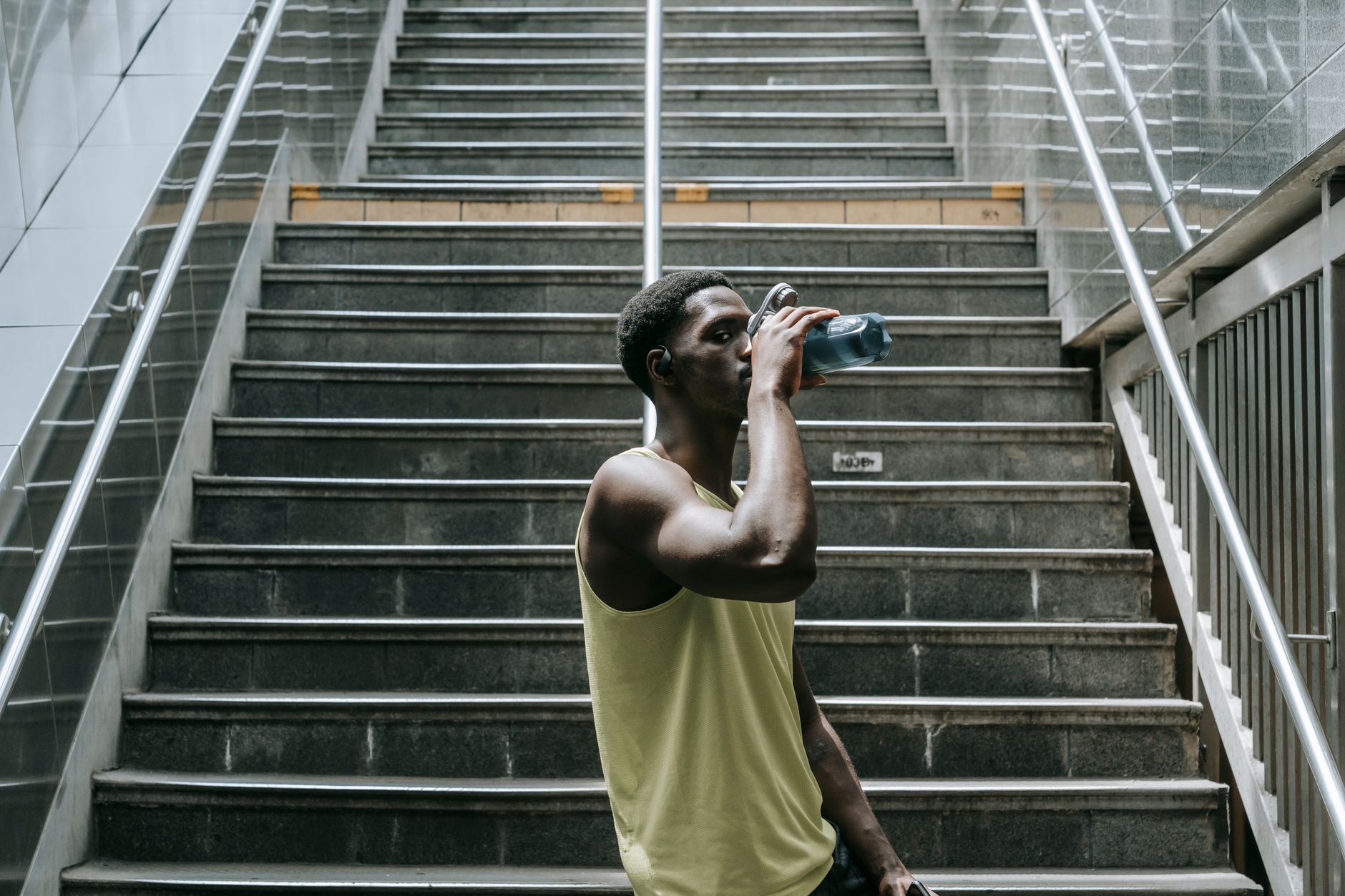
Fluids work better beside cooling and pacing. Shade breaks, air-conditioned recovery spaces, lighter clothing, and slower movement reduce the amount of sweat your body must produce to control temperature.
Hydration tips for hot weather should always include a pace change. Your usual speed may feel reasonable in mild conditions but become exhausting under direct sun and humid air.
Pack for your opening leg and failure point
How to stay hydrated on a long hike starts with water for the stretch before your next reliable refill. Carry a backup purification method in areas where water sources are suitable, since seasonal streams and backcountry spigots can be dry on arrival.
Bottles make volume easier to track, while hiking hydration packs such as CamelBak systems make frequent sipping easier during movement. Your pack should also include an electrolyte option for extended sweat loss, though it cannot replace enough water.
Route research matters before remote travel. That practice matches guidance from the National Park Service, which warns that seasonal water sources can change across trails and backcountry areas.
Use scheduled breaks during heat exposure
- Pause in shade: Stop before exhaustion, loosen gear, and cool your skin during each planned rest break.
- Reduce pace: Shorten strides, lighten loads, or slow task speed as the heat index rises.
- Drink on schedule: Take several mouthfuls at planned intervals instead of waiting for severe thirst.
- Watch teammates: Look for confusion, stumbling, irritability, or unusual fatigue that another person may dismiss.
- Set child breaks: Offer fluids repeatedly during youth sports because children can stay focused on play rather than thirst.
For a noon soccer practice, schedule drinks at warm-up, mid-drill, halftime, and cooldown. That rhythm gives your child repeated chances to drink before headache, fatigue, or behavior changes become the warning sign.
Spotting Dehydration and Heat Illness
A headache halfway through a humid run is a signal to slow down, not push harder. Thirst, dry mouth, dizziness, unusual fatigue, dark urine, reduced urination, and a rising sense of effort are signs of dehydration during exercise.
Heat exhaustion goes beyond thirst. Heavy sweating, nausea, weakness, cramps, dizziness, and headache can appear as your body struggles to cool itself.
Heat stroke needs emergency action
Heat stroke is more dangerous than heat exhaustion. Confusion, collapse, seizures, loss of consciousness, or hot skin can signal a medical emergency for you or someone nearby.
| What you notice | What it can mean | Your next step |
|---|---|---|
| Dry mouth, thirst, dark urine | Your fluid deficit could be building. | Stop hard effort and drink steadily in a cooler place. |
| Headache, cramps, nausea, weakness | You could have dehydration or heat exhaustion. | Rest in shade or air conditioning and cool down. |
| Dizziness after rest | Your heat strain could be escalating. | Seek medical advice or urgent care based on symptom severity. |
| Confusion, fainting, seizure, collapse | You could have heat stroke or another severe illness. | Call 911 and start rapid cooling while help is coming. |
Stopping activity protects your body
Move out of the heat, remove excess layers, loosen tight gear, and sip fluids only while you are alert and able to swallow. Cool wet cloths, fan airflow, cold water on your skin, and an air-conditioned space can lower heat strain while help is arranged.
Confusion, collapse, seizures, or suspected heat stroke need urgent medical care, not more trail time or a larger drink. Severe heat illness can damage organs quickly, which aligns with emergency guidance from the World Health Organization.
A Safer Finish Outdoors
Your safest routine starts with the conditions you expect to face, not the conditions you hope to find at departure. Carry enough water for your route, drink steadily, use shade and pace changes, and stop at the earliest warning signs.
Heat exhaustion and heat stroke do not reward toughness. Your decision to rest, cool down, or seek medical help can matter more than finishing a workout, shift, race, or hike on schedule.
FAQ
How much water should I drink during a hike?
Your amount depends on heat, humidity, climbing, pack weight, duration, sweat rate, and refill access. Carry enough for the opening segment, drink at regular intervals, and use pre- and post-hike body weight across several outings to learn how much fluid your body loses.
Which dehydration symptoms appear during hiking, exercise, or outdoor work?
Thirst, dry mouth, headache, dizziness, unusual fatigue, dark urine, and reduced urination can appear before severe heat illness. Stop hard activity at that stage, move to a cooler place, and drink steadily while watching your symptoms.
Are electrolytes useful during outdoor exercise?
Electrolytes can fit prolonged activity, heavy sweating, repeated hot-weather exposure, or limited food intake. Water and normal meals suit many short outings, while sodium-containing drinks, salty foods, or oral rehydration solutions can replace larger fluid and sodium losses.
Can excess water cause problems during hiking?
Yes. Excess plain water beyond thirst and sweat losses can dilute blood sodium and contribute to exercise-associated hyponatremia. Headache, nausea, swelling, confusion, or weakness during a long hike require you to stop activity and seek medical evaluation, especially as symptoms worsen.
How do you stay hydrated in hot and humid weather?
Drink steadily before and during activity, slow your pace, wear breathable clothing, and take shade or air-conditioned breaks. Humidity slows sweat evaporation, so your body can overheat despite visible sweat, making cooling habits as useful as the fluid in your bottle.
