

A one- or two-night stay at a developed campground keeps your vehicle, water, and restrooms close enough to make an unfamiliar outdoor night manageable. You need a dry tent, a warm pad, and a plan for the predicted low; gadgets rank far below those basics.
The sections ahead cover site choice, packing, sleep setup, food storage, weather preparedness, and clean departure habits for your short campground stay.
A Short Campground Trip Builds Useful Habits
A site 90 minutes from home leaves daylight for pitching camp, cooking dinner, and settling in before dark. Tent camping for beginners works well at a developed campground with nearby restrooms, a water source, and vehicle access.
Your opening outing does not need a remote trail, a long drive, or a packed schedule. Choose one or two nights, bring companions comfortable with basic outdoor routines, and leave time for slow tasks such as staking the tent or waiting through a brief shower.
A brief planning sequence closes packing gaps
- Pick the dates Choose dates with enough daylight for arrival and a drive short enough to reduce fatigue.
- Find a campground Review site photos, restroom details, water access, and the campground reservation process.
- Reserve the site Save your confirmation, site number, gate code, and check-in details on your phone.
- Review campground rules Read fire limits, pet rules, quiet hours, vehicle limits, and food-storage directions before packing.
- Match the forecast Pack layers, rain gear, and sleep insulation suited to the predicted nighttime low.
For how to plan a camping trip, treat the forecast as part of your packing list rather than a casual glance. Rain changes tent setup, wind changes tent placement, and a 42-degree night changes the sleeping bag and pad your body needs.
Arrive with at least two hours of daylight remaining. Pitching a tent by headlamp turns a simple task into loose stakes, missed guylines, and damp gear.
Campground Details Shape Your Arrival and Site Choice
That daylight plan works only with a clear arrival process and a site you can reach without guesswork. KOA locations, state parks, county parks, and National Park Service campgrounds publish different site details, so read the listing rather than trusting a map pin alone.
Before a campground reservation, review quiet hours, pet limits, arrival windows, fires, food storage, and vehicle restrictions. Your reservation details should also include the cancellation rule, because a storm warning or illness can turn a one-night outing into a poor choice.
Site amenities change what you pack
| Site detail | What you should confirm | Why it changes your trip |
|---|---|---|
| Water access | Potable spigot or a filtration and boiling plan | Your containers and cooking routine depend on it. |
| Restrooms | Distance, flush toilets, or vault toilets | You can pack suitable hygiene supplies and a light. |
| Vehicle access | Parking location and vehicle limit | Your gear carry may run from 20 feet to several hundred yards. |
| Fire rules | Fire ring, charcoal limits, or seasonal closure | Your dinner plan cannot rely on a fire that is barred. |
Ground and overhead hazards matter more than scenery
A level patch protects your hips and keeps a sleeping pad from sliding beneath you overnight. For tent campsite selection, avoid loose rocks, tire ruts, low channels that collect runoff, and dead branches overhead, sometimes called widowmakers.
How to choose a campsite comes down to drainage, safety, and distance from shared facilities. Keep your tent away from restroom paths and trash areas, where late foot traffic, headlights, and animal activity can interrupt sleep.
Never place your shelter in a dry-looking wash or at the bottom of a slope. Rain uphill can send water through that low spot long after sunset.
Core Gear Covers Shelter, Sleep, Light, and Small Problems
Once the ground is sorted, gear has a narrow purpose: keep you dry, warm, fed, lit, and ready for a small problem. A focused beginner camping checklist beats a trunk full of novelty tools that stay untouched.
Shelter and sleep gear carry the largest load
A three-season tent handles mild spring, summer, and fall conditions, but its capacity label describes a close sleeping fit. A two-person tent holds two sleeping bodies, yet a three-person model gives two adults room for duffels and shoes.
Brands such as Coleman, REI, and The North Face list capacity and floor measurements on tent labels. Compare listed floor area with your sleeping pads, since two 25-inch pads can crowd a narrow floor before clothing enters the tent.
| Gear group | Core item | Use on a short campground trip |
|---|---|---|
| Shelter | Tent, rainfly, stakes, footprint | Keeps rain, wind, and ground moisture outside. |
| Sleep | Sleeping bag and sleeping pad | Insulates your body from cold air and soil. |
| Light | Headlamp and spare batteries | Leaves both hands open for camp tasks after dark. |
| Safety | First-aid kit and emergency supplies | Handles blisters, minor cuts, and short delays. |
Sleep insulation works above and below your body
Your sleeping bag temperature rating refers to air-temperature performance, while the sleeping pad blocks heat loss into the ground. R-value measures that resistance; a higher R-value means more insulation beneath your back and hips.
For a forecast low near 45 degrees, pack a bag rated below that number, dry sleep layers, and a pad suited to cool ground. A bag alone cannot fix a thin pad, because compressed insulation beneath you loses much of its warmth.
Even well-chosen gear fails when runoff reaches the tent or moisture is trapped inside.
- Dry base layer Reserve clean socks and a long-sleeve layer for sleeping, not hiking or cooking.
- Headlamp access Place your light beside the pad before darkness hides small items.
- Water capacity Bring bottles or jugs sized for drinking, cooking, and dish cleanup at your site.
- Simple meal kit Pack a stove, fuel, lighter, pot, mug, utensils, and a washable bowl.
- Weather shell Carry a rain jacket even during a dry daytime forecast.
A Dry Tent Depends on Setup Order and Drainage
Your insulation works only after the shelter stays dry and tensioned against wind. Practice tent setup at home before departure, using the exact poles, clips, rainfly, guylines, and stakes that will travel in your vehicle.
The footprint stays inside the tent floor
Position every edge of the tent footprint slightly inside the tent floor. Exposed material catches rain like a shallow tray and channels water beneath the tent during a night storm.
At camp, lay the tent body flat, seat every pole fully, then attach the rainfly before sorting the interior. Stake the corners at a 45-degree angle away from the tent, then tighten guylines enough to stop fabric from sagging.
Interior order protects dry sleep gear
Place the sleeping pad directly on the floor, then lay the sleeping bag on top. Keep a headlamp, phone, glasses, and dry layer within your reach, while wet shoes, coolers, and bulky packs stay in the vestibule or vehicle.
Ventilation matters on chilly nights. Crack the rainfly vents and leave a small door-zipper gap, because breath condenses on cold fabric and can drip onto your bag by morning.
Food, Water, and Weather Need Separate Camp Systems
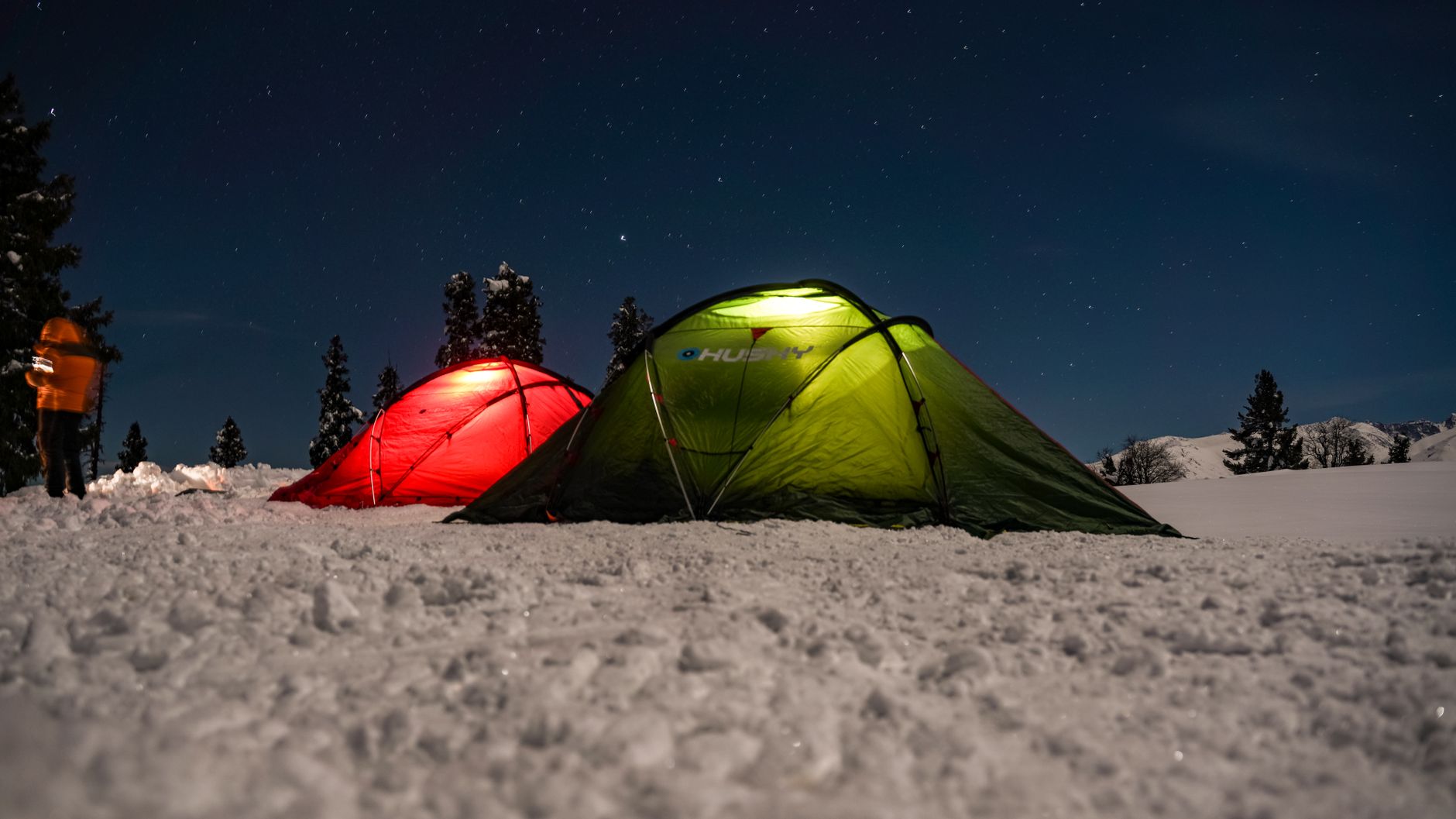
That dry interior becomes more useful after food, water, and wet clothing have assigned places. Check the forecast shortly before departure, then add a warmer layer for low temperatures, extra stakes for wind, or a tarp for rain.
Water needs a source and a backup method
Lakes, streams, and springs can hold microbes even where the water looks clear. Use a filter, chemical drops, or boiling unless the campground confirms a reliable potable source, and carry enough capacity for a dry walk from the spigot.
For a car-camping example, two adults staying one night might bring a filled 5-gallon container for camp use plus personal bottles for the drive. Your actual amount rises with heat, distance to water, dishwashing, and pets.
Scented items belong in required storage
Food storage rules cover more than snacks. Put trash, toothpaste, sunscreen, cookware with food residue, and pet food in the required vehicle, locker, or bear-resistant container because scent, not packaging, draws animals toward camp.
Cook before darkness where possible, wipe the table after eating, and return every scented item to storage before sleep. That routine also stops a midnight search for granola bars inside your tent.
Keeping attractants contained overnight is only part of reducing the impact a campsite leaves behind.
Clean Camp Habits Protect Your Site and Nearby Wildlife
A clean food area reduces animal visits, while a clean departure protects the site for your next stay. Tent camping for beginners feels calmer after campsite etiquette becomes a routine rather than another item to track.
Fire use follows current conditions
Campfire safety starts with a designated ring and current fire rules, not a stack of wood beside the tent. Use local firewood where required, keep flames attended, and keep water close enough to reach the fire without delay.
Pour water on the ashes, stir with a stick, then add more water until the ashes feel cool to the touch. Never bury hot coals in soil, since heat can remain below the surface and damage roots or start a ground fire.
A final site sweep finishes the trip
The Leave No Trace Center for Outdoor Ethics teaches seven Leave No Trace principles, including packing out trash, respecting wildlife, and protecting vegetation. Leave rocks, flowers, and fallen wood where they are, even where they seem like harmless souvenirs.
- Arrive before dark Give yourself daylight for parking, site inspection, and a calm tent pitch.
- Skip extra gear Leave novelty lanterns, furniture, and duplicate cookware at home for your opening trip.
- Secure scents nightly Follow the campground’s wildlife directions before you enter the tent.
- Check your site Walk the area after packing and collect twist ties, food scraps, and tent stakes.
- Respect quiet hours Lower voices, music, and vehicle noise well before the posted cutoff.
These first time camping tips matter because the last ten minutes at a site reveal more than the opening ten. Your final sweep should leave bare ground, a cold fire ring, and no evidence that your group slept there.
Final Thoughts
A modest campground stay teaches habits that carry into longer trips: inspect the ground, match gear to the low temperature, store scented items correctly, and pack out every trace. Your overnight stay does not need dramatic scenery. It needs to stay dry, warm, orderly, and within reach of help.
FAQ
What do beginners need for tent camping?
You need a tent with rainfly and stakes, a slightly smaller tent footprint, sleeping bag, insulated sleeping pad, headlamp, water plan, simple food setup, first-aid kit, and weather layers. Add campground reservation details and local rules to your phone before leaving home.
How do I plan an initial tent camping trip?
Start with a developed campground within a short drive, reserve one night, and arrive before dark. Your plan needs the forecast, road time, check-in details, fire restrictions, water source, food-storage rules, and a packing list tied to the expected low temperature.
How do I choose the right tent for camping?
Match the tent to your group size, expected weather, and vehicle space. You will sleep with more room in a tent rated for one more person than your group, and a three-season model suits mild weather without the weight and complexity of winter shelter.
What should I pack for an overnight camping trip?
Your overnight kit needs shelter, sleep insulation, clothing layers, light, water, food, cookware, hygiene items, navigation, and emergency supplies. Pack a dry change of clothes and extra socks, since damp cotton can leave you cold long after rain stops.
How can I stay warm and dry while tent camping?
Use a level site with drainage, keep the footprint inside the tent edges, and attach a taut rainfly with ventilation open. Your warmth comes from a sleeping bag suited to the low temperature, a pad with adequate R-value, dry sleep clothes, and a hat.
What are the main camping safety rules?
You should follow posted campground rules, filter or boil unconfirmed water, secure food and scented items, supervise every permitted fire, and extinguish it until cold. Inspect overhead branches and drainage before pitching, keep a headlamp nearby, and leave the site free of trash or forgotten stakes.
